Elements of LUPINE
Living community
Regular, voluntary shared meals (2x per week?)
Consensus-based governance model
All expected to participate in community upkeep and operations
Unity in diversity
All ages, especially and including families with children
LGBTQ friendly
Cultural diversity welcome
Pooling resources
Shared spaces for children, relaxation, cooking and gardening
Systems for sharing laundry facilities, tools, toys, and items seldom used
Intentional design
Balance between community and individual spaces
Small private apartments of 400-800 SF, 1-3 bedrooms with a small kitchen
Re-imagining an existing building: a school, a church, or apartment complex.
Net Zero
Facilities for parking, charging, and maintaining electric cars and bikes
Electric efficiency with Columbia River hydropower
Aspire to solar power and rooftop gardens
Ecology
Shared recycling and compost
Vegan and vegetarian meal planning, omnivore options welcome too
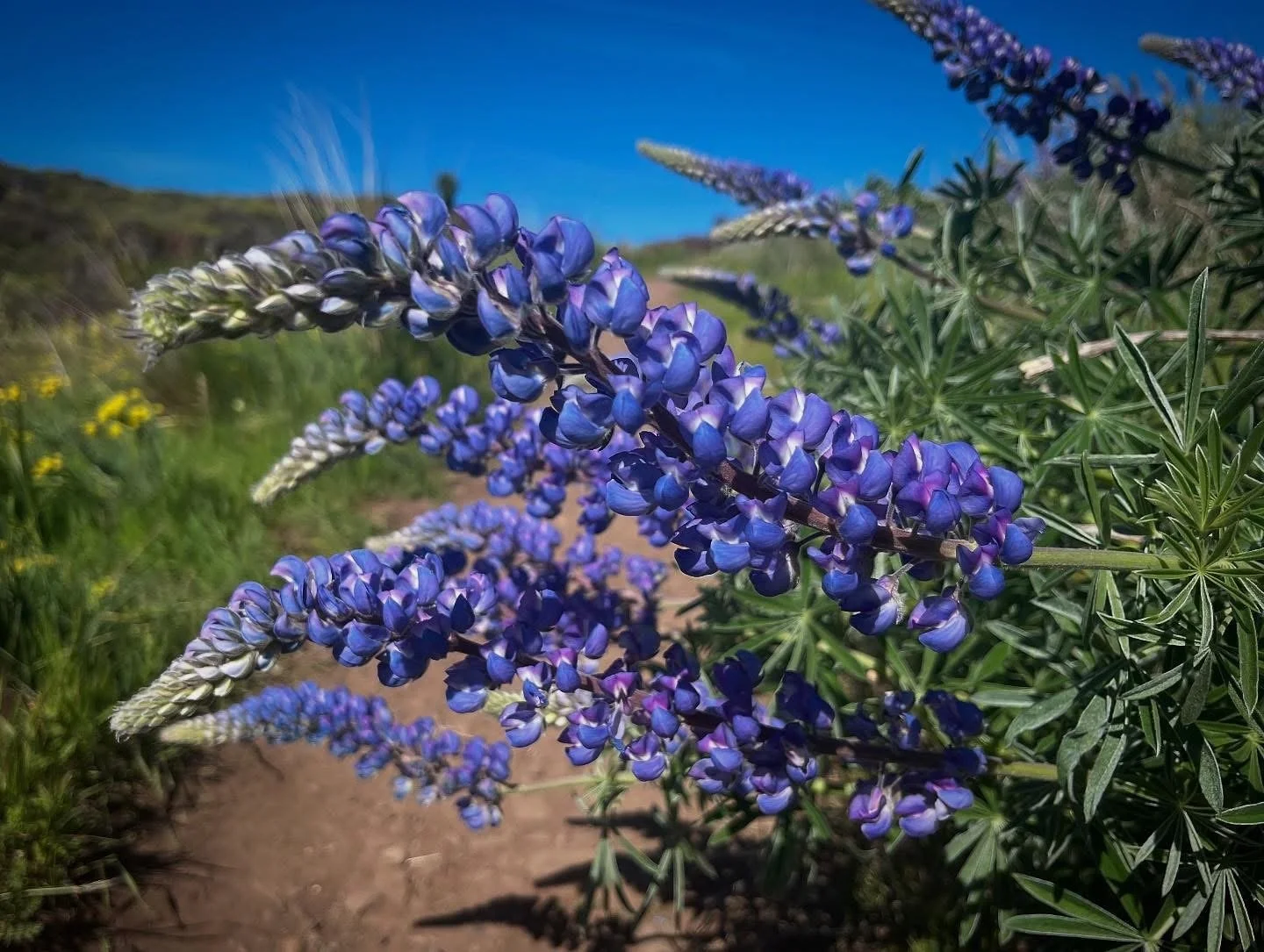
About the native lupine
Lupine flowers are native to the riverbanks and prairies of southwest Washington. Lupine is a legume, or a nitrogen fixing plant that improves the fertility of the soil for all the plants around it. The indigenous peoples of this area used fire to manage the landscape and maintain meadows rich with camas lilies, which have an edible bulb that was a staple food. Native Americans also ate wild onions, berries and other bulbs that grow in camas meadows. While North American lupine seeds have toxins that make them undesirable as a food source, the lupine is an important contributor to a healthy meadow ecosystem.
We recognize the stewardship and care of the Chinook, Cayuse, Umatilla, Walla Walla, Stl’pulmsh (Cowlitz), Grand Ronde, and Siletz who lived on this land for millennia.